In 2025, artificial intelligence has transcended hype to become an indispensable part of daily workflows, creative processes, and business strategies. From enhancing productivity to revolutionizing content creation, AI tools are more sophisticated, accessible, and integrated than ever. This year, advancements in multimodal models, agentic systems, and ethical AI have set new benchmarks. Based on insights from leading sources like Zapier, TechRadar, and McKinsey, we’ve curated the best AI tools of 2025, highlighting their standout functions. We’ll also speculate on what 2026 might bring, drawing from emerging trends in agentic AI and beyond.
Productivity Powerhouses: ChatGPT and Claude
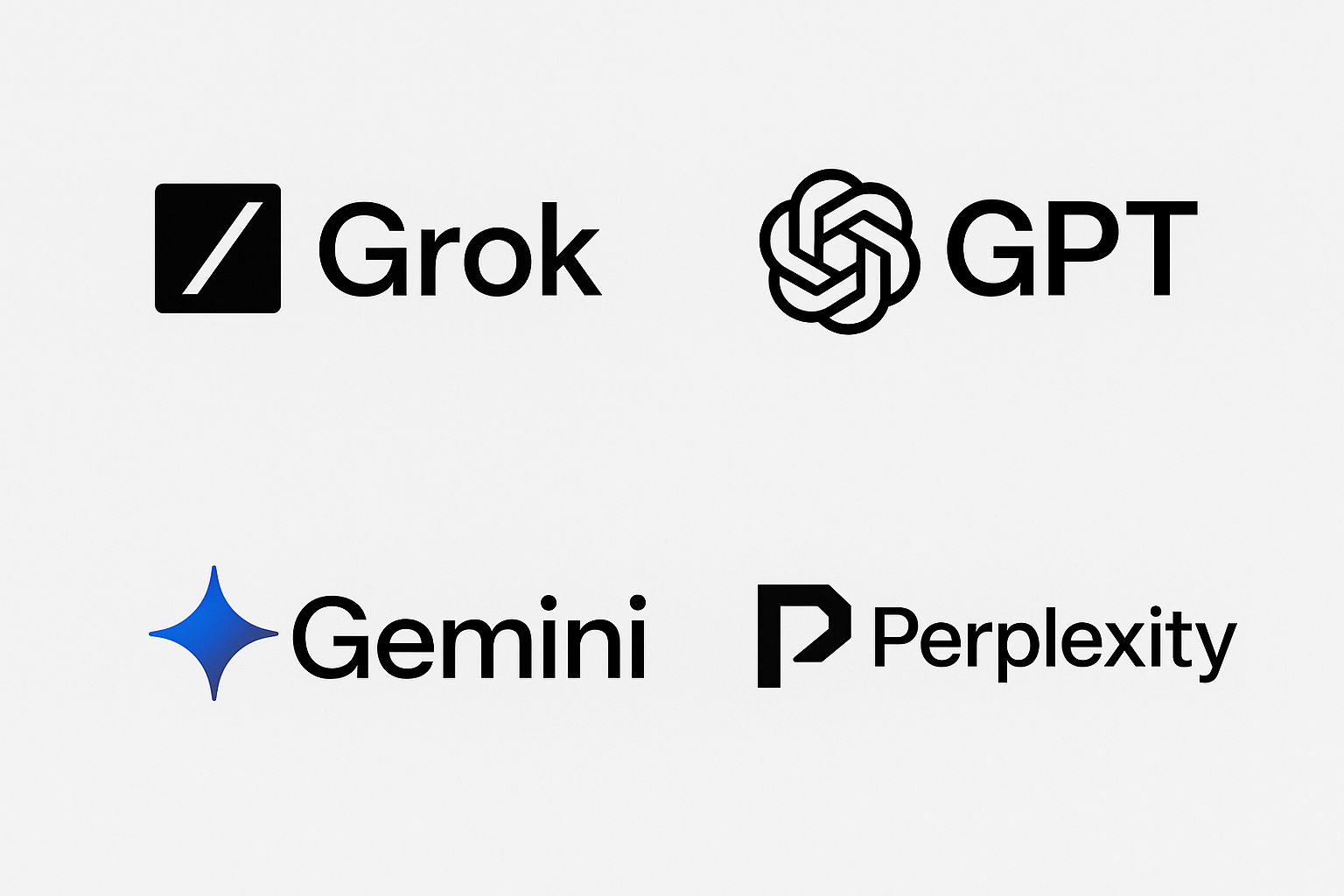
OpenAI’s ChatGPT remains a cornerstone, evolving into a versatile assistant with GPT-4o and beyond. Its best function? Advanced natural language processing for tasks like drafting emails, brainstorming ideas, or even coding snippets. In 2025, its integration with tools like Zapier allows seamless automation, such as generating reports from data inputs. Users praise its ability to handle complex queries with context-aware responses, making it ideal for writers and researchers.
Anthropic’s Claude stands out for its ethical focus and superior writing capabilities. The model’s “constitutional AI” ensures safer outputs, avoiding biases in sensitive topics. Its top feature is long-form content generation, where it excels in creating detailed articles or scripts with nuanced reasoning. Claude 4, released this year, supports multimodal inputs, blending text and images for enhanced creativity. For marketers, it’s a game-changer in crafting personalized campaigns.
Search and Research: Perplexity and Gemini
Perplexity AI has redefined search engines in 2025. Functioning as an “answer engine,” it synthesizes information from the web in real-time, citing sources transparently. Its best function is proactive querying—users can ask follow-ups in a conversational thread, perfect for in-depth research without sifting through links. Academics and journalists rely on it for fact-checked summaries, saving hours.
Google’s Gemini leads in multimodal AI, processing text, images, code, and video simultaneously. Its standout feature is real-time collaboration in Google Workspace, where it generates visuals from descriptions or analyzes data visuals. In 2025, Gemini 3’s voice mode enhances accessibility, turning it into a hands-free assistant for developers and educators.
Creative Tools: Midjourney and Grok
Midjourney continues to dominate AI image generation. Hosted on Discord, its V6 model produces hyper-realistic art from text prompts, with features like style transfer and upscaling. The best function? Iterative refinement—users remix images endlessly, making it essential for designers and artists creating marketing visuals or concept art.
xAI’s Grok 4, accessible via premium subscriptions, shines in reasoning and humor-infused responses. Its top function is advanced code interpretation and generation, rivaling GitHub Copilot. In 2025, Grok’s integration with X (formerly Twitter) allows real-time analysis of trends and posts, ideal for social media strategists. As an xAI product, it emphasizes transparency and fun, differentiating it in a crowded field.
Coding and Automation: GitHub Copilot
Microsoft’s GitHub Copilot has matured into an indispensable coding companion. Powered by OpenAI models, its best function is autocomplete and suggestion in multiple languages, accelerating development by up to 55%. In 2025, its agentic features enable it to debug entire codebases autonomously, a boon for software engineers.
Looking Ahead: AI in 2026
As we peer into 2026, experts predict a surge in agentic AI—systems that autonomously set goals and execute tasks, like self-managing workflows in healthcare or logistics. Physical AI, integrating robotics with intelligence, could transform industries, with warehouse automation reaching new efficiencies. Multimodal models will evolve further, breaking silos between data types, while sovereign AI emphasizes data privacy and localized models. Open-source replications of frontier models may democratize access, but challenges like data scarcity loom. Expect AI to infiltrate everyday life more deeply, from personalized education to predictive maintenance, potentially edging toward AGI milestones.
In summary, 2025’s AI tools empower users like never before, blending efficiency with innovation. As 2026 approaches, these technologies promise even greater autonomy and impact—stay tuned for the next wave.