Every year, the smartphone industry plays a game of incremental upgrades. A slightly faster chip here, a marginally brighter screen there. But every so often, a device comes along that doesn’t just nudge the bar upward, it completely rips it off the stands.
The newly launched Xiaomi 17 Ultra is exactly that kind of device.
Xiaomi has made no secret of its ambitions in mobile photography over the last few years. However, with the 17 Ultra, they seem to have stopped trying to make the best camera phone and instead focused on making the most portable pro-camera. It’s a subtle distinction in wording, but a massive difference in execution. Thanks to a deeply integrated partnership with Leica and some truly mind-bending hardware, the 17 Ultra is already the frontrunner for “Camera of the Year,” and we are barely into the release cycle.
Here is a deep dive into why this device is turning the heads of professional photographers and tech enthusiasts alike.
The Leica Difference: A Philosophy, Not Just a Logo
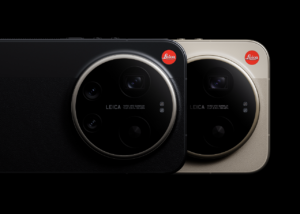
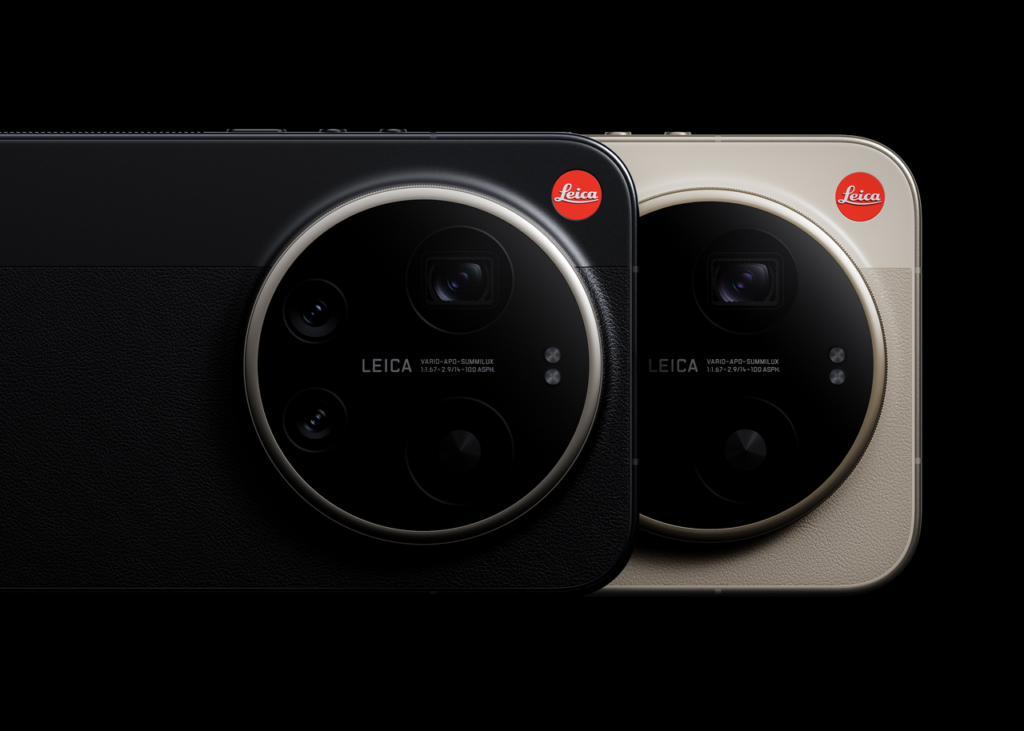
We need to start with the elephant in the room, or rather, the red dot on the back. The partnership between Xiaomi and German camera legend Leica is no longer in its infancy; it has matured into something genuinely special.
On many competing devices, a camera brand partnership means little more than some color tuning and a marketing sticker. On the Xiaomi 17 Ultra, Leica’s DNA is woven into the hardware itself. The device uses newly designed Leica Summilux optical lenses across all its sensors. This isn’t just about megapixel counts; it’s about the quality of the glass, how it handles light flares, and the incredible sharpness edge-to-edge.
But the real magic happens in the processing. The signature “Leica Authentic Look” mode delivers images that don’t look like traditional, over-saturated smartphone photos. They have depth, moody contrast, and a realistic color palette that mimics the output of a dedicated Leica M-series rangefinder. It’s an aesthetic choice that prioritizes artistic feeling over clinical brightness, cementing the idea that this is a tool for creators first.
The Hardware: Optical Gymnastics
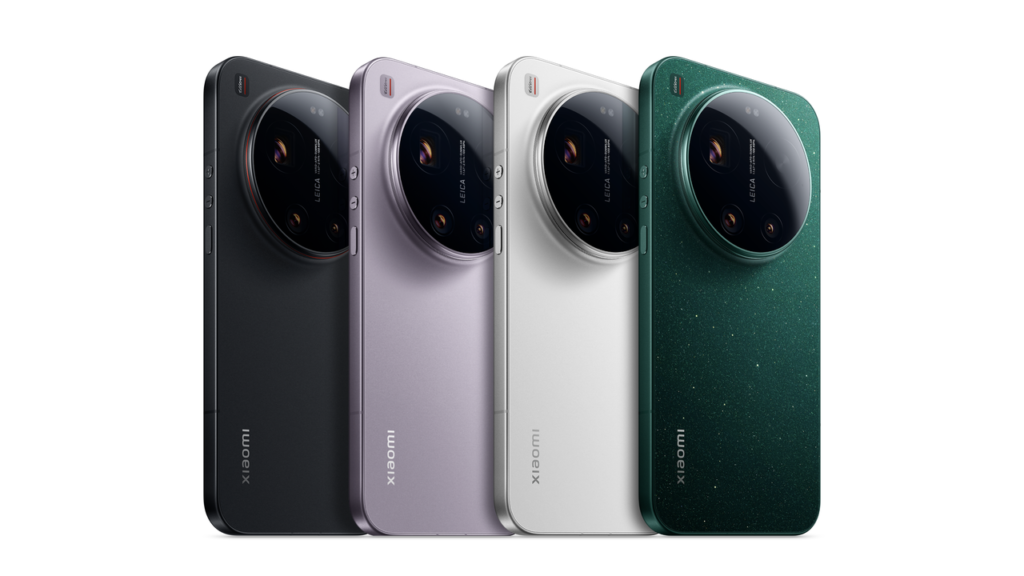
If the Leica partnership provides the soul of the camera, the hardware provides the muscle. The Xiaomi 17 Ultra is packed with a quad-camera setup that reads like a photographer’s wish list.
The main star is the second-generation 1-inch type sensor. It’s massive by smartphone standards, allowing it to drink in light in challenging conditions. But Xiaomi paired it with an astonishingly wide variable aperture, ranging from f/1.4 to f/4.0. This gives users genuine physical control over depth of field—creating real, creamy bokeh in portraits rather than relying solely on software simulation.
Perhaps most impressive, however, is the new telephoto system. Xiaomi has introduced a revolutionary “continuous optical zoom” lens that moves physically inside the chassis, offering lossless quality anywhere between 5x and 10x magnification. This is a game-changer for framing shots at a distance without sacrificing detail.
Tense-to-Tense Comparison: 17 Ultra vs. 16 Ultra
To understand the leap forward, it helps to look at where we just came from. The previous 16 Ultra was excellent, but the 17 Ultra refines every single aspect of the imaging pipeline.
| Feature | Xiaomi 16 Ultra (Last Year) | Xiaomi 17 Ultra (New Model) | The Upgrade Impact |
| Main Sensor | 50MP 1-inch Type (Sony IMX989 derivative) | 50MP Next-Gen 1-inch Type (Stacked Sensor) | Better low light performance and faster readout speeds to reduce motion blur. |
| Main Aperture | Variable f/1.9 – f/4.0 | Variable f/1.4 – f/4.0 | The wider f/1.4 allows significantly more light and shallower depth of field. |
| Telephoto 1 | 50MP 3.2x Optical Zoom | 50MP 3.2x Optical Zoom (New floating lens group) | Improved stabilization for mid-range portrait shots. |
| Telephoto 2 | 50MP 5x Fixed Periscope Zoom | 50MP Continuous Optical Zoom (5x – 10x) | The biggest change. True optical clarity across a massive zoom range, not just at fixed points. |
| Ultra-Wide | 50MP (122° FOV) | 50MP (126° FOV with improved edge distortion correction) | Wider shots that remain sharper at the corners due to new lens elements. |
It’s Still a Phone (A Very Powerful One)
While we’ve waxed poetic about the cameras, the 17 Ultra doesn’t slouch as a daily driver. It is powered by the latest Snapdragon 8-series flagship processor, ensuring that editing those massive RAW photo files on the fly is stutter-free.
The display is a stunning, super-bright LTPO OLED panel, calibrated to ensure that the photos you view on the screen are color-accurate to what the camera captured. It’s wrapped in a premium, albeit heavy, chassis constructed from titanium and a new, grippier vegan leather back designed to feel stable in the hand during a shoot.
The Price of Excellence and The Competition
So, what does the frontrunner for Camera of the Year cost?
The Xiaomi 17 Ultra is launching with a starting price of approximately $1,499 USD (converted directly from global launch prices, varying by region).
This places it firmly at the very top of the market, staring down the barrel at the highest-tier offerings from Samsung and Apple.
However, the value proposition here is different. If you buy a top-tier Samsung, you are buying an incredible all-around computer in your pocket with great cameras. If you buy the Xiaomi 17 Ultra, you are effectively buying a high-end compact mirrorless camera that happens to run Android apps.
For the average user just looking to snap a quick picture of their lunch, this phone is overkill. It’s big, it’s expensive, and its camera system demands to be used creatively. But for enthusiasts, semi-pros, or anyone who understands the difference between “taking a picture” and “making a photograph,” the Xiaomi 17 Ultra isn’t just another phone release. It’s a benchmark.