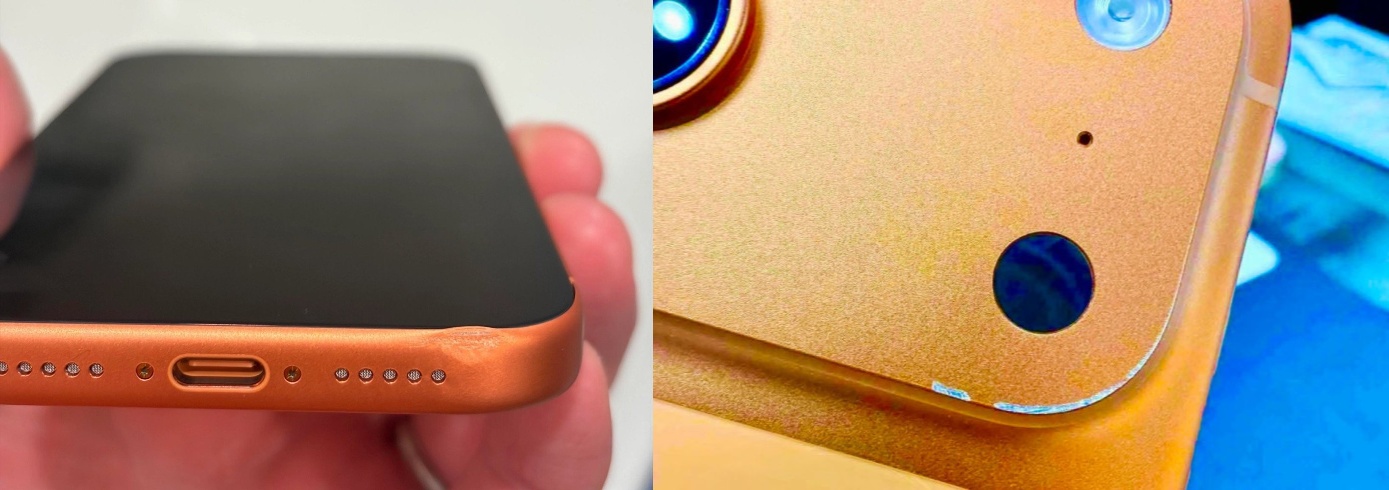
Apple’s iPhone 17 Pro and Pro Max, unveiled just weeks ago on September 9, 2025, promised a sleeker unibody design with an anodized aluminum frame—a shift from the titanium used in the iPhone 16 Pro series. Marketed for its lighter weight and premium matte finish, the change aimed to refine ergonomics and aesthetics. However, early customer reviews tell a different story: widespread reports of scratches, scuffs, dents, and even same-day damage have ignited “Scratchgate,” leaving many owners furious and questioning Apple’s durability standards. We’ve scoured user feedback, expert teardowns, and social media to unpack whether this material swap is a misstep or just teething troubles.
The Aluminum Switch: What Apple Promised
Apple touted the iPhone 17 Pro’s aluminum unibody as a “breakthrough in design,” shaving off weight (now 187g for the Pro vs. 199g on the 16 Pro) while maintaining the A19 Pro chip’s power and all-48MP camera array. The anodized finish, available in hues like Deep Blue and Cosmic Orange, was meant to offer a sophisticated, fingerprint-resistant surface. But beneath the hype, the raw aluminum core—revealed under scratches—has become the Achilles’ heel, especially around the protruding camera plateau.
| Feature | iPhone 16 Pro (Titanium) | iPhone 17 Pro (Aluminum) |
|---|---|---|
| Weight | 199g | 187g |
| Frame Durability | High scratch resistance | Prone to scuffs/dents |
| Repairability | Moderate | Improved (screw-in battery) |
| Price | $999+ | $1,099+ (slight increase) |
Early Customer Reviews: Day-One Disasters
Barely a week post-launch, forums and social media are flooded with complaints. Users report superficial scratches from pocket lint or keys, but deeper issues like dents from minor drops and gouges from everyday handling. One Reddit user shared photos of their Deep Blue iPhone 17 Pro Max arriving with factory scuffs, while another on X lamented, “The aluminum of iPhone 17 Pro is depressingly fragile.” A viral YouTube video titled “iPhone 17 Pro Max SCRATCHING in 24 Hours!” captured a user’s device marred after a single day in a protective case.
- Same-Day Damage: Mashable highlighted cases where owners noticed chips and dents right out of the box or after light use, with one buyer tweeting, “I’m gunna stay with my iPhone 16 pro max. Until they make a stronger iPhone 17 pro max that isn’t made with an aluminum frame.”
- Color-Specific Woes: The anodized layer peels away easily on bolder shades, exposing shiny silver aluminum. PCMag noted this on Cosmic Orange models, where “light nicks or scratches are much more visible.”
- Social Media Outcry: X users are vocal, with posts like “What a terrible design the iPhone 17 Pro has!!! And the aluminum is disgusting too! Bring back titanium!” garnering hundreds of likes. Hashtags like #iPhone17ScratchGate trend, with tips circulating on avoiding “scratch gate issues.”
Apple forums echo this, with threads titled “Customers report day one scratches and scuffs,” showing images of broken corners and gouges from a simple coin rub.
Expert Teardowns and Durability Tests
iFixit’s September 23 teardown amplified the concerns, using a digital microscope to reveal micro-abrasions around the camera edge from “normal handling.” They praised the new screwed-in battery for easier repairs but slammed the frame: “Anodized aluminum scratches badly,” especially post-drop. JerryRigEverything’s durability test confirmed the vulnerability, with a box-cutter gouging the sides effortlessly; far worse than titanium’s resilience.
Bloomberg’s Mark Gurman attributes it to the anodization process, which prioritizes aesthetics over toughness, making the iPhone 17 Pro “more prone to scuffs than predecessors.” While the phone survives bends better due to the unibody, surface integrity suffers.
Any Silver Lining? The Pros of Aluminum
Not all feedback is doom and gloom. Some users appreciate the lighter feel and matte texture, calling it “grippier” than titanium’s slickness. The design enables a seamless camera bump integration, and repair scores have ticked up thanks to modular components. For non-rough users, a quality case mitigates risks, as one X post advised: “Just got the iPhone 17 Pro? Here are the first things you NEED to do to avoid scratch gate issues.”
| Pros of Aluminum Frame | Cons Highlighted in Reviews |
|---|---|
| Lighter (10g savings) | Easy scratches/scuffs |
| Matte, fingerprint-resistant | Dents from minor impacts |
| Cost-effective production | Visible damage on colors |
| Improved repairability | Heavier camera protrusion |
The iPhone 17 Pro’s aluminum pivot has divided fans—innovation in form, but regression in fortitude. With pre-orders soaring despite the buzz, Apple faces pressure: Will they offer free cases, software polish, or revert to titanium in 2026? Early adopters urge caution: Invest in a rugged case from day one. For now, it’s a premium phone with a fragile facade. What’s your take—dealbreaker or overblown? Share in the comments, and stay tuned to Techarizma for the latest iPhone updates!