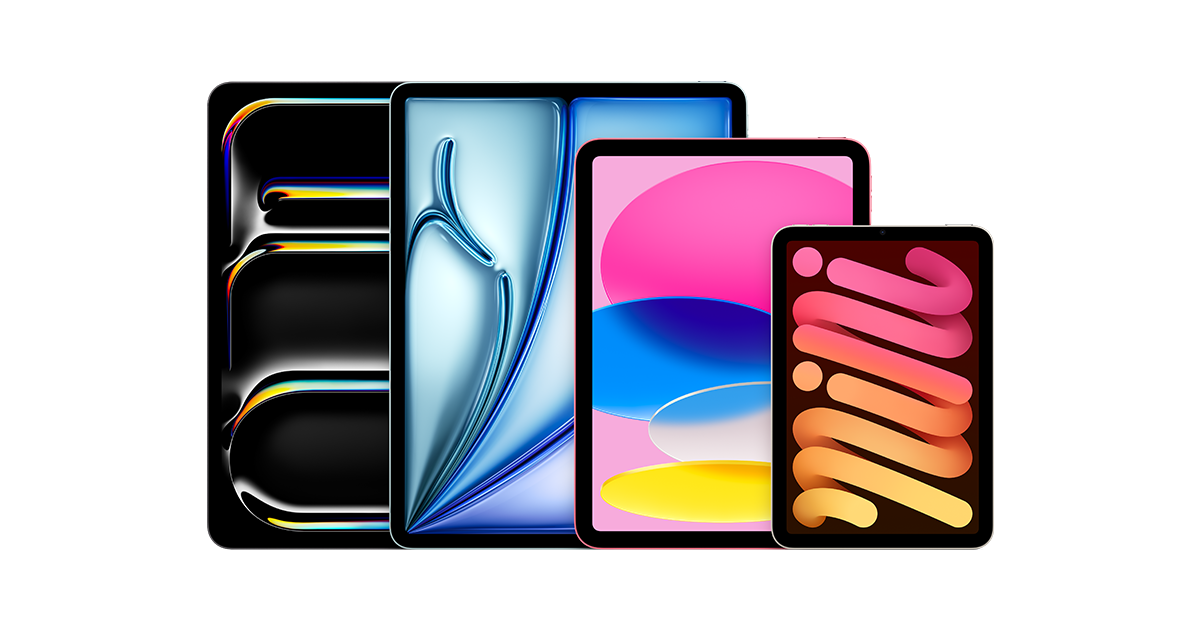
Apple’s fall refresh hit without fanfare this week; a press release drop on October 16 announced the new M5 iPad Pro, quietly updating its high-end tablet amid whispers of a subdued event. No “Scary Fast” spectacle this year; instead, it’s a focused chip upgrade for creators and pros, with the iPad Air (M3, from March) and iPad mini (7th gen, from October 2024) rounding out a lineup that’s more evolution than revolution. Priced from $349 for the base iPad to $999 for the 11-inch M5 Pro, these slates emphasize AI boosts via Apple Intelligence in iPadOS 18, seamless Pencil integration, and ecosystem synergy with the iPhone 17 and M5 MacBook Pro (also teased this week). Preorders are live now, with shipping starting October 22. Here’s the full breakdown of features, specs, and where they fit in a tablet market shifting toward hybrid workhorses.
The M5 iPad Pro: Performance Beast with AI Finesse
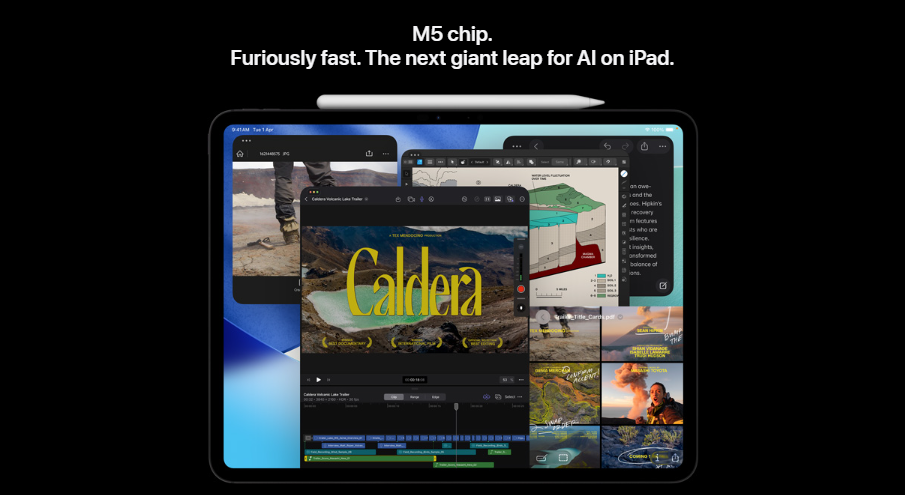
Apple calls the M5 iPad Pro “the world’s thinnest computing device,” retaining the ultra-slim 2024 redesign while packing the new M5 chip for a massive leap in speed and efficiency. Available in 11-inch and 13-inch sizes, it’s aimed at artists, engineers, and video editors who treat it like a portable studio.
Key Features and Upgrades
- M5 Chip Magic: The star is Apple’s 3nm M5 SoC, with a 10-core CPU (4 performance + 6 efficiency cores), 10-core GPU, and 16-core Neural Engine. It crushes the M4 with up to 30% faster CPU/GPU performance, 1.5x quicker ray-tracing for 3D rendering (ideal for apps like Blender or Final Cut Pro), and 6.7x faster overall rendering vs. M1 models. Battery life hits 10 hours of video playback, with 30% better unified memory bandwidth for handling massive AI models on-device.
- Dual-Facing Cameras: A game-changer for calls—12MP Ultra Wide front cameras on both the landscape edge and top bezel ensure perfect orientation in portrait or landscape, with Center Stage auto-framing. Rear: 12MP Wide (f/1.8, OIS) + LiDAR for AR, plus a 10MP ultrawide. Thunderbolt/USB 4 port supports 40Gbps transfers and up to two 6K external displays.
- Display and Audio: Tandem OLED Ultra Retina XDR panels (120Hz ProMotion, 1,000 nits SDR, 1,600 nits HDR peak) with nano-texture glass option ($100 extra) to cut glare. Four-speaker setup with spatial audio and studio mics tuned for podcasts.
- iPadOS 18 Perks: Apple Intelligence shines here—Genmoji, Image Playground for custom graphics, and enhanced Siri for on-device processing. Math Notes in Calculator and Smart Script in Notes get smarter handwriting recognition. Supports Apple Pencil Pro (hover, squeeze gestures) and the new Magic Keyboard with function row and larger trackpad.
Upgrades from the M4 iPad Pro? Mostly internal: the M5’s efficiency means cooler operation (up to 20% less throttling during exports) and future-proofing for AI-heavy workflows, but no design tweaks or new ports. It’s a “wait-if-you-must” refresh unless you’re pushing creative limits.
iPad Air (M3): The Mid-Range Sweet Spot
Launched in March 2025, the 11-inch and 13-inch iPad Air remains the value play, now even more compelling post-M5 Pro reveal. Powered by the M3 chip (8-core CPU, 10-core GPU, 16-core NPU), it handles 4K video editing and light ML tasks with ease—up to 50% faster than the M2 Air.
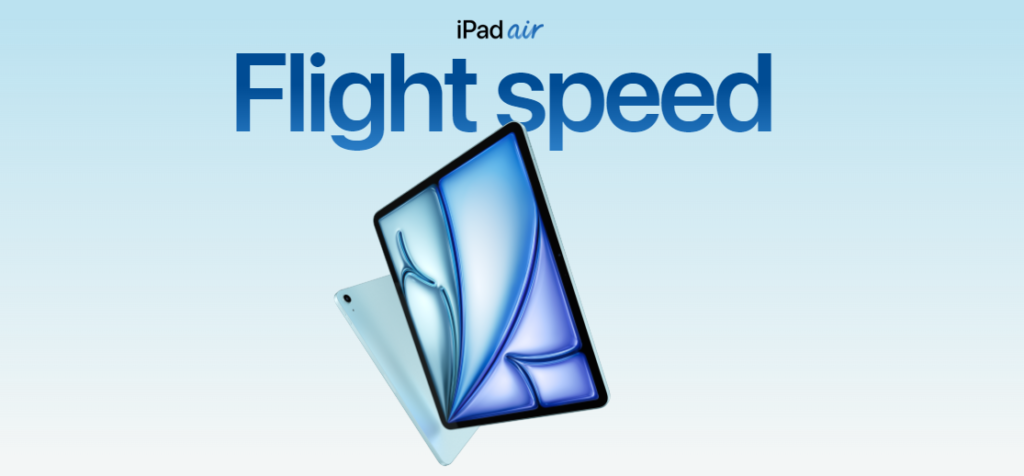
- Features: Liquid Retina IPS display (500 nits, P3 color), 12MP front/rear cameras (no LiDAR), Touch ID in the power button, and USB-C (10Gbps). Landscape-oriented front camera for calls, plus Apple Pencil Pro support.
- Battery and Storage: 10 hours of use, starting at 128GB up to 1TB. Prices: $599 (11-inch Wi-Fi), $799 (13-inch Wi-Fi).
- Why It Shines: At half the Pro’s price, it’s perfect for students or casual creators—iPadOS 18’s AI tools (e.g., Writing Tools for proofreading) make it feel premium without the OLED splurge.
iPad (11th Gen) and iPad Mini (7th Gen): Entry-Level Stalwarts

No updates here—the 10.9-inch iPad (10th gen, A14 Bionic) and 8.3-inch mini (A17 Pro) carry over from 2022/2024. The base iPad ($349, 128GB) is great for streaming and browsing, with 10-hour battery and Pencil USB-C support. The mini ($499) excels in portability, with 8.3-inch Liquid Retina, 5G option, and Apple Intelligence-ready A17 Pro.
These hold the fort for budget buyers, but feel dated next to M-series power—expect refreshes in 2026.
Lineup Comparison: Pro vs. Air vs. Entry-Level
Apple’s 2025 iPad family tiers by power and price, with the M5 Pro dominating pros, Air balancing value, and bases for basics. Here’s how they stack:
| Feature | iPad Pro (M5, 11/13-in) | iPad Air (M3, 11/13-in) | iPad (10th Gen, 10.9-in) | iPad Mini (7th Gen, 8.3-in) |
|---|---|---|---|---|
| Chip | M5 (10-core CPU/GPU, 16-core NPU) | M3 (8-core CPU, 10-core GPU) | A14 Bionic | A17 Pro |
| Display | 11/13-in Tandem OLED (120Hz, 1,600 nits HDR) | 11/13-in Liquid Retina IPS (60Hz, 500 nits) | 10.9-in Liquid Retina IPS (60Hz, 500 nits) | 8.3-in Liquid Retina IPS (60Hz, 500 nits) |
| Cameras (Front/Rear) | Dual 12MP Ultra Wide / 12MP Wide + LiDAR | 12MP Ultra Wide / 12MP Wide | 12MP Ultra Wide / 12MP Wide | 12MP Ultra Wide / 12MP Wide |
| Battery Life | Up to 10 hrs video | Up to 10 hrs video | Up to 10 hrs video | Up to 10 hrs video |
| Storage Options | 256GB-2TB | 128GB-1TB | 64GB-256GB | 128GB-512GB |
| Ports/Connectivity | Thunderbolt/USB 4, Wi-Fi 7 | USB-C (10Gbps), Wi-Fi 6E | USB-C (USB 2), Wi-Fi 6 | USB-C (USB 2), Wi-Fi 6E |
| Starting Price (Wi-Fi) | $999 / $1,299 | $599 / $799 | $349 | $499 |
| Unique Perks | Ray-tracing GPU, nano-texture option | Landscape front cam, Pencil Pro | Affordable entry, True Tone | Compact portability, 5G |
Where It Fits in the 2025 Tablet Landscape
Apple commands 50%+ of the global tablet market (per IDC), but 2025 sees pressure from Samsung’s Galaxy Tab S10 Ultra (with DeX multitasking) and Lenovo’s Yoga Book hybrids. The M5 iPad Pro cements Apple’s pro-creative throne—faster than Surface Pro 11 (Snapdragon X Elite) in rendering, with better Pencil ecosystem—but lacks the Tab S10’s S Pen storage or Windows app access. The Air steals value from mid-rangers like the Tab S9 FE, while the base iPad/mini fend off Amazon Fire slates.
No major wildcards (e.g., foldable iPad rumors for 2027), but iPadOS 18’s Stage Manager and external display support blur tablet/laptop lines. Sales could surge 15% YoY, boosted by AI hype.
Verdict: Pro for Power Users, Air for Everyone Else
The M5 iPad Pro is a must-upgrade for heavy hitters craving ray-traced 3D or AI workflows, but casual users? Stick with the M3 Air—it’s 40% cheaper for 80% of the magic. The lineup feels iterative post-2024’s OLED revolution, but that’s Apple’s playbook: steady excellence over splashy overhauls. Eyeing a refresh? Preorder now or wait for M5 MacBook Pro details next month. Which iPad tempts you, Pro slab or Air steal? Drop your thoughts below!