For over a decade, Apple and Samsung have ruled the premium smartphone world like twin titans; untouchable in design, performance, and brand prestige. But in 2025, the ground is shifting faster than ever.
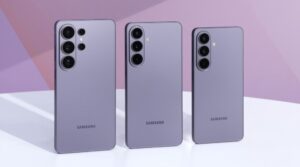
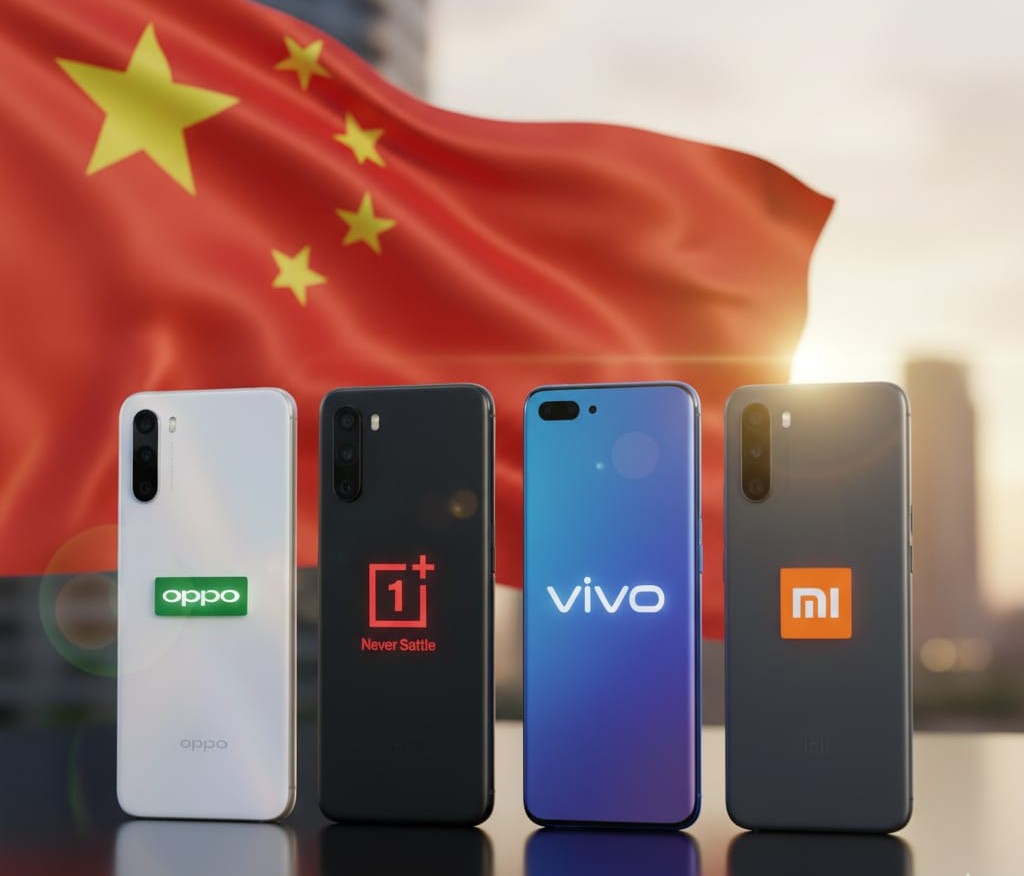
Chinese manufacturers, Xiaomi, Honor, OnePlus, OPPO, and Vivo, are no longer “budget alternatives.” They are flagship killers, launching devices that outperform, outlast, and out-innovate the iPhone 17 and Galaxy S25 Ultra — often at half the price.
The Xiaomi 17 Pro Max, OnePlus 15, and Honor Magic 7 Pro aren’t just competitive — they’re redefining what a $1,000 phone should be.
This isn’t about catching up. This is about the eclipse.
The Innovation Gap
Silicon-Carbon Batteries: The Power Revolution Is Here
Forget incremental battery bumps. Chinese brands have rewritten the rules of smartphone endurance with silicon-carbon anode technology.
Xiaomi 17 Pro Max: 7,500mAh OnePlus 15: 7,300mAh iPhone 17 Pro Max: ~4,500mAh Galaxy S25 Ultra: ~5,000mAh
That’s 50–70% more capacity in the same form factor.
And charging?
- 120W wired → 100% in 25 minutes
- 50W wireless → full in under an hour
Apple’s 40W and Samsung’s 45W feel like relics.
These aren’t lab numbers. Real users report:
- 2+ days of heavy use
- 3+ hours of Genshin Impact on ultra
- Zero anxiety about plugging in
This is freedom, not just power.
Periscope Zoom: Pro Photography in Your Pocket
While Apple finally added 5x optical zoom to the iPhone 15 Pro Max in 2023, Chinese brands were already years ahead.
Now in 2025:
| Brand | Zoom System |
|---|---|
| Vivo X200 Ultra | 200MP periscope – 3.7x optical, 100x digital (DXOMARK #1) |
| OPPO Find X8 Ultra | Dual periscope – 3x + 6x optical |
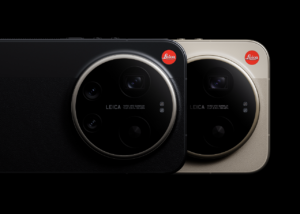
| Xiaomi 17 Pro | Leica 50MP 5x with variable aperture |
| Honor Magic 7 Pro | 200MP main + 50MP 3x periscope |
These aren’t just cameras — they’re creative tools for photographers, vloggers, and filmmakers.
Satellite Connectivity: Always Connected
Huawei Mate 70 launched global satellite SOS and two-way messaging via Beidou — no cell tower needed. Xiaomi 17 series followed with emergency satellite calls and texts.
Apple’s Emergency SOS via satellite? Limited to pre-set messages and iPhone 14+ only.
China isn’t waiting for permission.
Performance: Snapdragon 8 Elite Gen 5 vs. A19 Pro
Qualcomm’s Snapdragon 8 Elite Gen 5 — launched September 2025 — now beats Apple’s A19 Pro in key areas.
| Device | Chip | Geekbench 6 | AnTuTu v11 |
|---|---|---|---|
| iPhone 17 Pro | A19 Pro | 3,700 / 10,500 | ~2.5M |
| Xiaomi 17 Pro | 8 Elite Gen 5 | 3,800 / 12,000 | ~4.0M |
| OnePlus 15 | 8 Elite Gen 5 | 3,831 / 12,459 | ~4.2M |
| Galaxy S25 Ultra | 8 Elite Gen 5 | 3,700 / 11,500 | ~3.9M |
Multi-core dominance = faster video exports, smoother multitasking, better gaming. GPU leap (40% over Gen 4) = ray tracing, 165Hz gaming, console ports.
Apple still wins in single-core speed and efficiency, but the gap is closing fast.
Software: From Bloat to Brilliance
Chinese Android skins have evolved:
- HyperOS 2.0 (Xiaomi) → AI agents, rear-screen widgets, IoT control
- OxygenOS 15 (OnePlus) → 165Hz fluidity, gaming dashboard
- MagicOS 9 (Honor) → Predictive animations, AI health insights
They’re not just “good enough” — they’re feature-rich, fast, and beautiful.
And 4–5 years of OS updates? Now standard.
The Price Advantage: Flagship Specs, Mid-Range Price
Let’s compare real 2025 flagships:
| Feature | iPhone 17 Pro (256GB) | Xiaomi 17 Pro (256GB) | OnePlus 15 (256GB) |
|---|---|---|---|
| Price | $1,099 | ~$700 (China) / ~$850 (global) | ~$840 |
| Display | 6.3″ 120Hz | 6.3″ LTPO 120Hz | 6.78″ 165Hz |
| Battery | ~4,500mAh | 6,300mAh | 7,300mAh |
| Charging | 40W wired | 100W wired / 50W wireless | 120W wired / 50W wireless |
| Cameras | 48+48+48MP | 50+50+50MP (Leica, 5x) | 50+50+50MP (DetailMax) |
| Extras | — | Rear plateau screen | — |
You pay $1,100 for Apple’s name. You pay $700–850 for better hardware.
Market Share: The Numbers Don’t Lie
Q3 2025 Global (IDC):
| Vendor | Market Share | Shipments (Millions) | YoY Growth |
|---|---|---|---|
| Samsung | 18.4% | 57.7 | +6% |
| Apple | 17.8% | 57.4 | +9% |
| Xiaomi | 13.5% | 42.8 | +2% |
| Vivo | 9.5% | 30.6 | +1% |
| Transsion | 8.5% | 27.4 | +12% |
| Others | 32.3% | 104.8 | – |
Total Shipments: 322.7 million units (+2.6% YoY)
Asia Pacific (Q3 2025, aggregated from Omdia/Counterpoint): Chinese brands dominate with ~70% combined share, driven by strong growth in India, Southeast Asia, and MEA.
China (Q3 2025, IDC):
| Vendor | Market Share | Shipments (Millions) | YoY Growth |
|---|---|---|---|
| Vivo | 20.5% | 14.0 | -2% |
| Apple | 19.8% | 13.5 | +4% |
| Huawei | 15.2% | 10.4 | -3% |
| Xiaomi | 14.7% | 10.0 | -1.7% |
| OPPO | 14.5% | 9.9 | +0.4% |
| Honor | 14.4% | 9.8 | – |
| Others | 22% | 14.9 | – |
Total Shipments: 68.4 million units (-0.6% YoY)
The West is next.
Why Apple and Samsung Are Vulnerable
- Innovation Stagnation → iPhone 17: same notch, same charging → Galaxy S25: finally catching up on battery
- Pricing Complacency → $1,199 for iPhone 17 Pro Max → $840 for Xiaomi 17 Pro Max with 7,500mAh + 5x Leica
- Underestimating the Competition “Made in China” used to mean cheap. Now it means better.
The 2–3 Year Outlook
What Will Accelerate the Shift
- Global carrier deals (OnePlus + T-Mobile, Xiaomi + Vodafone)
- Aggressive marketing (Xiaomi’s “iPhone Killer” campaigns)
- AI leadership (Gemini vs. Apple Intelligence)
- Foldable dominance (OPPO/Vivo undercutting Galaxy Z)
What Could Slow It
- US trade barriers
- Apple ecosystem lock-in
- Privacy FUD
But Gen Z doesn’t care about brand loyalty — they care about value.
Should You Switch?
Yes — Switch If:
- You want all-day+ battery
- You game or edit on the go
- You’re tired of paying $1,000+
- You love camera versatility
- You’re not married to iOS
No — Stay If:
- You live in Apple’s ecosystem
- You need 7-year updates
- Privacy is non-negotiable
- You want resale value
Conclusion: The Eclipse Is Happening
Chinese smartphones aren’t the future. They are the present.
The Xiaomi 17, OnePlus 15, and Honor Magic 7 aren’t “good for the price”, they’re better. Period.
Apple and Samsung built empires on innovation and prestige. Now, China is winning with engineering and value.
This isn’t a trend. This is a takeover.